
Top SQL Interview Questions for Data Analysts in India
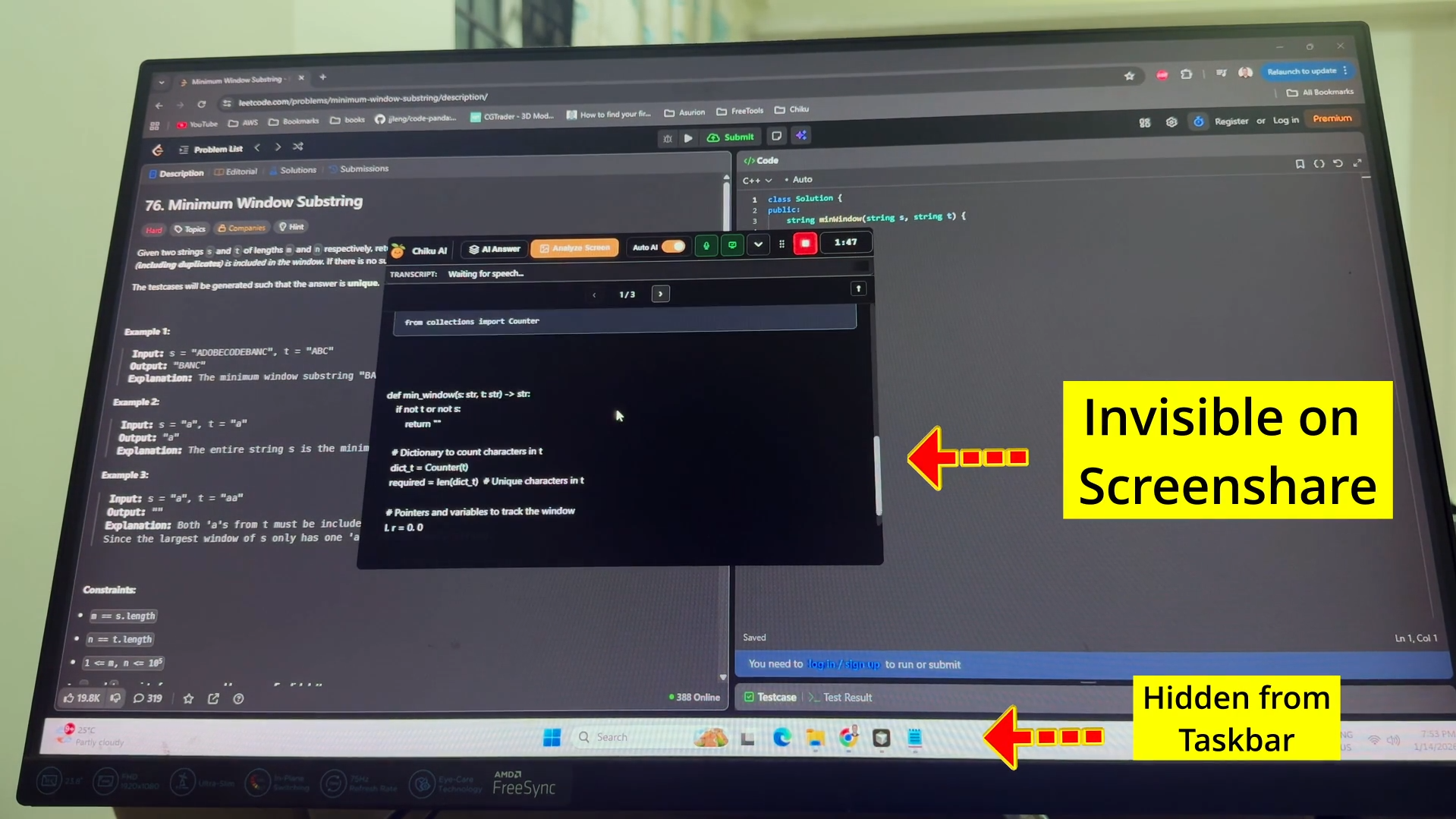
TL;DR: This blog post covers essential SQL interview questions for data analysts in India, ranging from basic to advanced queries. It provides practical exercises and tips to help you excel in your interview preparation.
Introduction to SQL for Data Analysts
Structured Query Language, or SQL, is a standard language used to manage and manipulate databases. For data analysts, proficiency in SQL is non-negotiable. It allows you to extract insights and perform analysis on large datasets, which is critical for making data-driven decisions. In India, SQL skills are highly sought after, especially as companies increasingly rely on data to guide their strategies.
According to a Glassdoor report, SQL is among the top skills required for data analyst roles, with salaries ranging from ₹4,00,000 to ₹12,00,000 per annum, depending on experience and expertise.
In this article, we will explore various SQL interview questions that you might encounter in data analyst interviews, categorized by difficulty level, and provide tips and resources for effective preparation.
Basic SQL Interview Questions
When starting your journey in SQL, it's essential to grasp the fundamentals. Basic SQL interview questions typically focus on simple queries, data retrieval, and basic functions.
Sample Questions
- What is SQL and what are its uses?
- Explain the difference between INNER JOIN and OUTER JOIN.
- How do you retrieve unique values from a column?
Understanding SELECT Statements
The SELECT statement is the foundation of SQL queries. For example:
SELECT DISTINCT column_name FROM table_name;This query retrieves unique values from the specified column in a table. Understanding how to use SELECT effectively can significantly impact your data analysis capability.
Common SQL Functions
Familiarity with basic SQL functions such as COUNT, SUM, AVG, and MAX is vital. Here’s a simple example:
SELECT COUNT(*) FROM employees WHERE department = 'Sales';This query counts the number of employees in the Sales department.
Intermediate SQL Questions for Analysis
Once you’ve mastered the basics, it’s time to tackle intermediate SQL questions that require analytical thinking and a deeper understanding of SQL.
Sample Questions
- How would you find the second highest salary from a table?
- What are subqueries, and how do you use them?
- Explain GROUP BY and HAVING clauses with examples.
Finding the Nth Highest Value
To find the second highest salary, you can use a subquery:
SELECT MAX(salary) FROM employees WHERE salary < (SELECT MAX(salary) FROM employees);This approach involves nesting queries to drill down into your data effectively.
Understanding GROUP BY and HAVING
The GROUP BY clause groups rows sharing a property so aggregate functions can be applied. The HAVING clause then filters these groups. Here’s a practical example:
SELECT department, COUNT() FROM employees GROUP BY department HAVING COUNT() > 10;This query retrieves departments with more than ten employees.
Advanced SQL Queries and Functions
Advanced SQL interviews delve into complex queries, optimization, and analytical functions. These are crucial for roles that require in-depth data analysis.
Sample Questions
- What are window functions, and how do they differ from regular aggregate functions?
- Explain the use of CTE (Common Table Expressions).
- How do you optimize a SQL query for performance?
Window Functions
Window functions operate over a set of rows related to the current row. For example:
SELECT employee_id, salary, AVG(salary) OVER (PARTITION BY department) AS avg_department_salary FROM employees;This query calculates the average salary per department while displaying individual salaries.
Common Table Expressions (CTE)
CTEs improve query readability and organization. Here’s an example:
WITH DepartmentSalaries AS (SELECT department, AVG(salary) AS avg_salary FROM employees GROUP BY department) SELECT * FROM DepartmentSalaries WHERE avg_salary > 60000;This CTE first calculates average salaries per department and then filters based on that result.
Common Pitfalls in SQL Interviews
Understanding the common pitfalls in SQL interviews can help you avoid mistakes that others frequently make.
Overlooking Null Values
Many candidates forget to account for NULL values, which can lead to inaccurate results. Always use IS NULL or IS NOT NULL to handle these cases effectively.
Not Optimizing Queries
Failing to optimize SQL queries can result in slow performance, especially with large datasets. Use EXPLAIN to analyze and optimize your queries.
According to GeeksforGeeks, understanding query execution plans is key to improving SQL performance.
Ignoring Indexes
Indexes can significantly speed up data retrieval. Be prepared to discuss how and when to use indexing in your SQL queries.
Practical SQL Exercises to Prepare
The best way to prepare for SQL interviews is through practical exercises. Here are some suggestions:
Hands-On SQL Practice
- Use platforms like LeetCode or HackerRank to solve SQL problems.
- Work with sample datasets available on Kaggle.
- Practice writing queries based on real-world scenarios.
Mock Interviews
Participate in mock interviews using services like Chiku AI, which provides a real-time interview assistant to help you practice SQL queries effectively.
Building a Personal Project
Consider creating a personal project that involves data analysis. This will not only solidify your SQL skills but also enhance your resume.
Frequently Asked Questions
What are the most common SQL interview questions?
Common SQL interview questions include basic queries, joins, and aggregation functions. You should also be prepared for questions about optimizing queries and handling NULL values.
How can I prepare for SQL interviews effectively?
Practice SQL questions on platforms like HackerRank, participate in mock interviews, and work on personal projects to enhance your skills.
What is the average salary for a data analyst in India?
The average salary for a data analyst in India ranges from ₹4,00,000 to ₹12,00,000 per annum, depending on experience and location.
How important is SQL for a data analyst role?
SQL is crucial for data analysts, as it is the primary means of querying and manipulating data in databases.
What are some good resources for learning SQL?
Some excellent resources include online courses on platforms like Coursera and Udemy, as well as books such as "SQL for Data Analysis" by Cathy Tanimura.
Conclusion and Further Resources
Mastering SQL is vital for aspiring data analysts in India. This post has covered a range of SQL interview questions, from basic to advanced, along with practical exercises to enhance your skills.
For more tips on interview preparation, check out our blog and consider using Chiku AI's affordable interview assistant for real-time practice.
Finally, compare our services with other options like Parakeet AI and Final Round AI to find the best fit for your needs.
Key Takeaways:
- SQL is essential for data analysts; mastering it can significantly impact your career.
- Practice is crucial—engage in hands-on exercises and mock interviews.
- Be aware of common pitfalls and optimize your queries for better performance.
See Chiku AI in Action
Chiku AI - Realtime Interview Assistant Demo
Ready for Your Next Interview?
In conclusion, mastering SQL is crucial for data analysts in India, especially as the demand for skilled professionals in the field continues to rise. By familiarizing yourself with the top SQL interview questions, you can significantly enhance your chances of success in interviews. Key takeaways include understanding fundamental concepts such as joins, subqueries, and aggregate functions, as well as being prepared to demonstrate your problem-solving skills through practical scenarios. These insights not only help you articulate your knowledge effectively but also allow you to showcase your ability to handle real-world data challenges.
To further elevate your interview preparation, consider utilizing Chiku AI, a real-time interview assistant that provides valuable insights and feedback during live interviews. With its intelligent support, you can refine your responses and boost your confidence, ensuring you make a lasting impression on your interviewers. Ready to take your interview game to the next level? Explore our pricing page to find the perfect plan that suits your needs!