
Mastering Stress Interview Questions: Top Tips
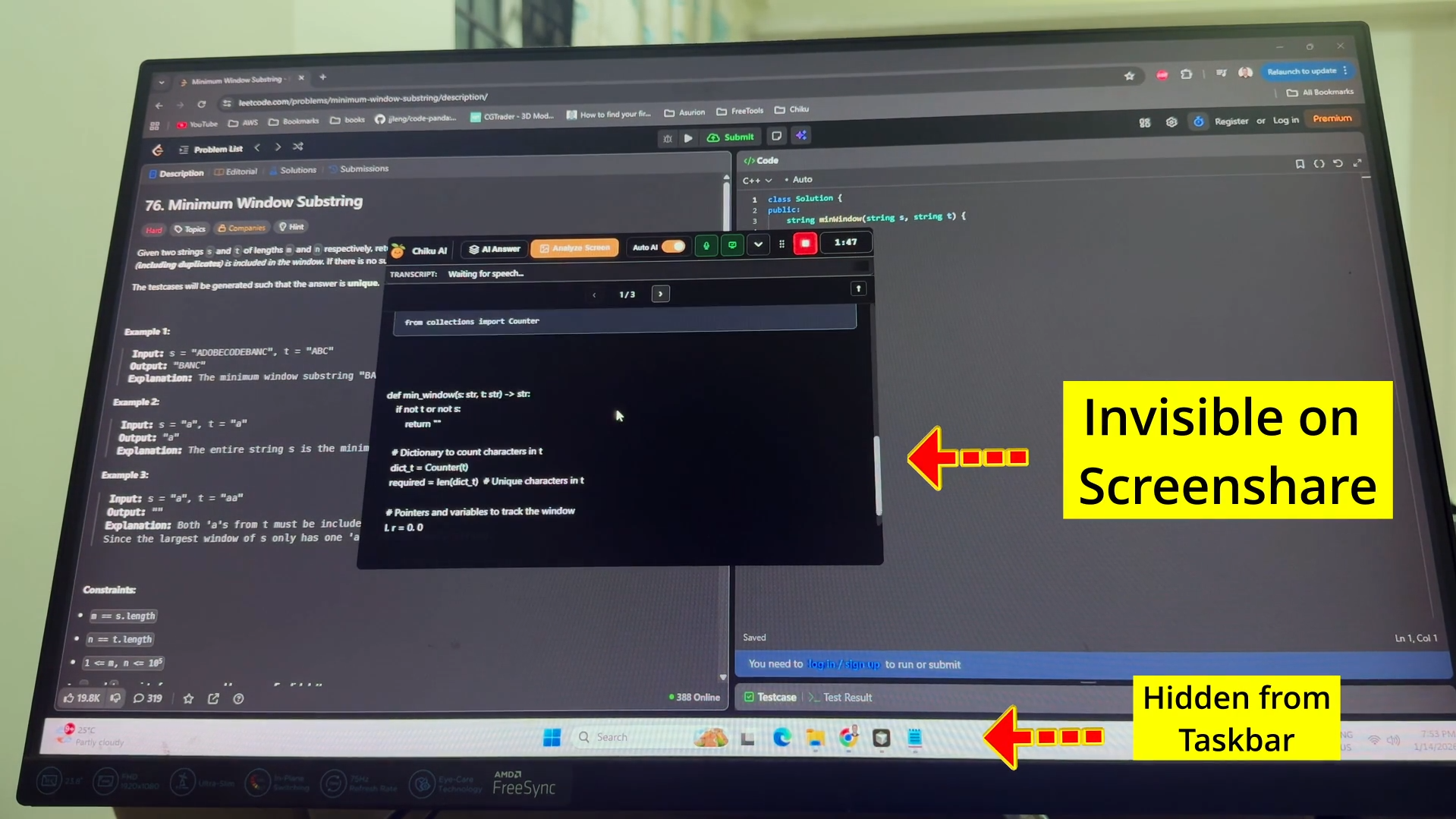
TL;DR: Stress interview questions are designed to assess how candidates handle pressure. Proper preparation and stress management techniques can significantly improve your performance in these challenging interviews. This guide provides practical strategies, examples, and resources to help you master stress interviews.
Understanding Stress Interview Questions
Stress interview questions are a unique category of interview queries designed to evaluate how you handle pressure and challenging situations. These questions can be particularly daunting, as they aim to see how candidates react under stress. In India, companies like Tata Consultancy Services and Infosys often use stress interviews to determine a candidate's resilience and problem-solving abilities.
Why Are Stress Interviews Used?
Employers use stress interviews to gauge a candidate's emotional intelligence, adaptability, and ability to think critically. According to a GeeksforGeeks article, understanding how you cope with stress can be crucial for roles that involve tight deadlines or high stakes. For instance, if you’re applying for a position in a start-up, showing that you can handle stress effectively could set you apart from other candidates.
Common Scenarios in Stress Interviews
- Rapid-fire questioning
- Inconsistent questions that challenge your previous answers
- Questions that exploit your weaknesses
Being prepared for these scenarios can help ease your anxiety and improve your performance. Remember, the goal is not to make you uncomfortable, but to observe how you react in less-than-ideal conditions.
Common Types of Stress Interview Questions
Stress interview questions can take various forms, but some common types include:
1. Hypothetical Situations
These questions often ask how you would handle a difficult situation, such as:
"Imagine a scenario where your project deadline is moved up by two weeks. How would you handle it?"
In this case, interviewers want to assess your problem-solving skills and your ability to prioritize tasks effectively.
2. Personal Weaknesses
Questions about your weaknesses can also be a source of stress. For example:
"What is your greatest weakness, and how have you dealt with it?"
Here, the interviewer is interested in your self-awareness and willingness to improve.
3. Conflict Resolution
Questions that explore how you handle conflict can be particularly telling:
"Describe a time when you disagreed with a colleague. How did you resolve it?"
This type of question evaluates your interpersonal skills and ability to navigate workplace dynamics.
The Importance of Preparation
Preparation is key when it comes to handling stress interview questions. A well-prepared candidate is more likely to stay calm and composed. Here are some essential preparation strategies:
1. Research the Company and Role
Understanding the company culture and job requirements will help you tailor your responses. For example, if you are applying for a sales position at a tech firm, familiarize yourself with the products and sales strategies.
2. Practice Common Stress Questions
Preparing answers for common stress interview questions can alleviate anxiety. Consider using the STAR method (Situation, Task, Action, Result) to structure your responses effectively. For instance:
- Situation: Describe the context.
- Task: Explain your responsibility.
- Action: Detail the actions you took.
- Result: Share the outcome.
3. Utilize Tools Like Chiku AI
With tools like AI interview copilot, you can practice your responses and receive real-time feedback. This allows you to refine your answers and become more comfortable with potential stress scenarios.
Techniques to Manage Stress During Interviews
Managing stress effectively during an interview can significantly enhance your performance. Here are some proven techniques:
1. Deep Breathing Exercises
Before the interview, practice deep breathing exercises to calm your nerves. A simple technique involves inhaling deeply for four counts, holding for four counts, and exhaling for four counts. This can help lower your heart rate and reduce anxiety.
2. Positive Visualization
Visualize yourself succeeding in the interview. Picture yourself answering questions confidently and engaging positively with the interviewers. This mental rehearsal can boost your confidence.
3. Focus on the Present
Practice mindfulness techniques to stay present during the interview. Concentrate on the questions being asked rather than worrying about potential outcomes. This will help you respond more thoughtfully.
Effective Communication Strategies
Effective communication is crucial during a stress interview. Here are some strategies to improve your communication skills:
1. Active Listening
Demonstrate active listening by nodding and summarizing what the interviewer says. This shows that you are engaged and value their input.
2. Use Clear and Concise Language
Avoid jargon and overly complex language. Speak clearly and concisely to ensure your message is understood. For instance, instead of saying, "I have a plethora of experience," try "I have five years of experience in this field."
3. Maintain Eye Contact
Eye contact conveys confidence and sincerity. Ensure you maintain appropriate eye contact while answering questions to build rapport with the interviewer.
Practicing with Mock Interviews
Mock interviews are an invaluable tool for preparing for stress interviews. Here’s how to make the most of them:
1. Simulate Real Interview Conditions
Conduct mock interviews in a setting similar to where your actual interview will take place. This helps you acclimate to the environment and reduces anxiety on the big day.
2. Get Constructive Feedback
Seek feedback from friends, family, or mentors who can provide honest assessments of your performance. This can help you identify areas for improvement.
3. Use Technology
Consider using platforms like Chiku AI for practicing. With the affordable interview assistant, you can receive personalized feedback on your responses and improve your performance.
Final Thoughts and Additional Resources
Mastering stress interview questions requires a combination of preparation, practice, and effective stress management techniques. By understanding the types of stress questions you may encounter and utilizing resources like Chiku AI, you can enhance your chances of success.
For additional reading on interview preparation tips, read more interview tips that can help you navigate various interview scenarios. And if you're curious about alternatives to Chiku AI, you can compare with Parakeet AI or compare with Final Round AI.
Frequently Asked Questions
What are stress interview questions?
Stress interview questions are designed to assess how candidates handle pressure and challenging situations, often focusing on conflict resolution and problem-solving abilities.
How can I prepare for a stress interview?
Preparation involves researching the company, practicing common stress questions, and using tools like Chiku AI for mock interviews.
What techniques can help manage stress during an interview?
Techniques such as deep breathing exercises, positive visualization, and mindfulness can help manage stress effectively during interviews.
Why do companies use stress interviews?
Companies use stress interviews to evaluate a candidate's emotional intelligence, adaptability, and ability to think critically under pressure.
How important is communication in a stress interview?
Effective communication is crucial, as it helps convey confidence and clarity while answering questions. Strategies like active listening and maintaining eye contact can enhance communication.
Key Takeaways:
- Understand the types of stress interview questions to prepare effectively.
- Practice breathing and visualization techniques to manage stress.
- Utilize tools like Chiku AI for mock interviews and real-time feedback.
- Effective communication strategies can enhance your performance.
- Preparation is key to handling stress interviews with confidence.
See Chiku AI in Action
Chiku AI - Realtime Interview Assistant Demo
Ready for Your Next Interview?
In conclusion, mastering stress interview questions is essential for candidates looking to excel in high-pressure interview scenarios. By employing strategies such as maintaining composure, practicing active listening, and preparing thoughtful responses, you can effectively navigate even the most challenging inquiries. Remember, the key lies in demonstrating your ability to stay calm under pressure and showcasing your problem-solving skills. With the right preparation and mindset, you can turn these intimidating questions into opportunities to shine.
To support you further in your interview journey, consider utilizing Chiku AI, a real-time interview assistant designed to help you handle live interviews with confidence. By providing instant feedback and tailored suggestions, Chiku AI can enhance your performance and ensure you're always at your best. Ready to take your interview skills to the next level? Check out our pricing page to explore how Chiku AI can make a difference for you.