
Mastering Behavioral Interview Questions
TL;DR: Mastering behavioral interview questions is crucial for job seekers. Employers prefer these questions to assess your past behavior as a predictor of future performance. Prepare with sample answers and effective strategies to ace your next interview.
Introduction to Behavioral Interview Questions
Behavioral interview questions are designed to assess how you've handled various situations in the past. They are based on the premise that past behavior is the best predictor of future performance. These questions often start with phrases like "Tell me about a time when..." or "Give me an example of..." and are crucial for Indian job seekers looking to impress in interviews with leading companies.
In the competitive job market of India, where companies such as TCS, Infosys, and Wipro receive thousands of applications, mastering behavioral interview questions can set you apart. Behavioral questions help employers evaluate your problem-solving skills, teamwork, and adaptability, which are essential traits in most job roles.
Why Employers Use Behavioral Questions
Employers use behavioral questions for several reasons:
- Predictive Value: Behavioral questions help employers predict future behavior based on past experiences.
- Skill Assessment: These questions assess critical soft skills such as communication, leadership, and teamwork.
- Consistency: They provide a structured way for interviewers to compare candidates on the same criteria.
- Reduces Bias: By focusing on past behaviors, employers can minimize biases that may arise from other types of questions.
According to GeeksforGeeks, 73% of hiring managers believe that behavioral interview questions are the best way to evaluate a candidate's potential.
Common Types of Behavioral Interview Questions
Understanding the common types of behavioral questions can help you prepare effectively. Here are some categories:
- Teamwork: Questions that assess your ability to work within a team.
- Conflict Resolution: Questions that explore how you handle disagreements or conflicts.
- Leadership: Questions that evaluate your leadership skills and decision-making.
- Problem Solving: Questions that examine your analytical and critical thinking abilities.
- Adaptability: Questions that assess how you cope with change or uncertainty.
For example, a teamwork question might ask, "Describe a time when you had to work closely with someone whose personality was very different from yours." This requires you to demonstrate your ability to collaborate effectively despite differences.
Sample Behavioral Interview Questions and Answers
Here are some sample behavioral interview questions along with effective answers:
1. Tell me about a time you faced a significant challenge at work.
Sample Answer: "In my previous role at XYZ Company, we faced a project deadline that was moved up by two weeks. I organized a team meeting to reassess our priorities and delegated tasks based on each member's strengths. We worked overtime to meet the deadline, and ultimately, we delivered the project on time. This experience taught me the importance of teamwork and flexibility."
2. Describe a situation where you had to work with a difficult colleague.
Sample Answer: "I once worked with a colleague who had a very different communication style. Instead of avoiding the issue, I scheduled a one-on-one meeting to discuss our differences. By openly communicating, we developed a mutual understanding and created a more effective working relationship. This taught me that addressing conflicts head-on can lead to better collaboration."
3. Can you give an example of a time when you demonstrated leadership?
Sample Answer: "During a major project, our team leader fell ill. I stepped up to coordinate the team's efforts, ensuring everyone was on track. I held daily check-ins and provided support where needed. The project was completed successfully, and this experience helped me realize my potential as a leader."
Tips for Answering Behavioral Questions Effectively
To answer behavioral questions effectively, consider the following tips:
- Use the STAR Method: Structure your answers using the Situation, Task, Action, Result framework. This helps you articulate your experiences clearly.
- Be Specific: Provide detailed examples that showcase your skills. Instead of vague statements, use concrete instances from your past.
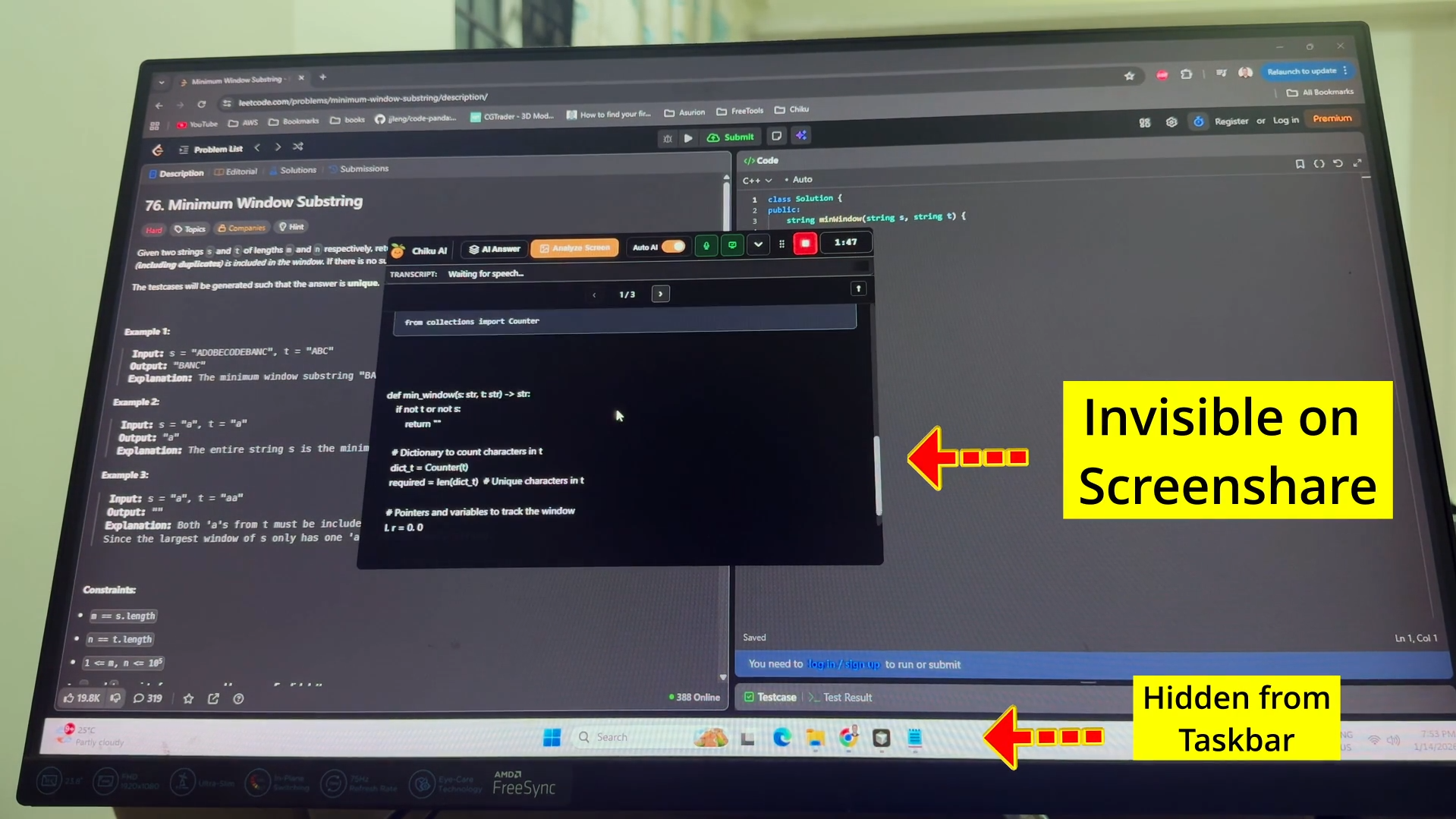
- Practice: Rehearse your answers with a friend or use an AI interview copilot like Chiku AI to gain confidence.
- Stay Positive: Even when discussing challenges, focus on what you learned and how you grew from the experience.
How to Prepare for Behavioral Interviews
Preparation is key to succeeding in behavioral interviews. Here are steps to help you get ready:
- Research Common Questions: Look up common behavioral questions related to your industry. This can help you anticipate what you'll be asked.
- Reflect on Your Experiences: Take time to think about your past experiences, focusing on challenges, successes, and lessons learned.
- Practice with Mock Interviews: Use Chiku AI or other tools for simulated interviews to get real-time feedback.
- Review Company Values: Understand the company's culture and values. Tailor your responses to align with what they look for in candidates.
- Stay Updated: Keep yourself informed about industry trends and practices. This can provide valuable context for your answers.
Frequently Asked Questions
What are behavioral interview questions?
Behavioral interview questions are inquiries that focus on your past experiences to predict your future behavior in similar situations. They often start with prompts like "Tell me about a time when..."
How can I prepare for behavioral interview questions?
Prepare by reflecting on your past experiences, practicing answers using the STAR method, and using mock interview tools like Chiku AI to refine your responses.
Why do employers prefer behavioral questions?
Employers prefer behavioral questions because they provide insights into a candidate's soft skills and past behavior, which are often better predictors of future performance than technical skills alone.
How can I improve my answers to behavioral questions?
To improve your answers, focus on specific examples, practice articulating your thoughts clearly, and ensure you highlight the outcome and what you learned from each experience.
Can I use the same example for multiple questions?
Yes, you can use the same example for different questions, but ensure you frame it appropriately to fit the context of each question.
Key Takeaways:
- Behavioral interview questions assess how your past experience can predict future performance.
- Use the STAR method to structure your answers effectively.
- Practice with tools like Chiku AI to enhance your confidence.
- Prepare for common questions and reflect on your unique experiences.
Conclusion and Final Thoughts
Mastering behavioral interview questions is essential for job seekers in India. By understanding the types of questions asked, preparing effective answers, and practicing your responses, you can significantly improve your chances of success in interviews. Remember, behavioral questions are not just about what you've done, but how you approach challenges and work with others. Utilize resources like Chiku AI to assist you in your preparation, ensuring you present your best self in every interview.
For more tips and tricks on interview preparation, be sure to read more interview tips. If you're interested in how Chiku AI can help you on your journey, check Chiku AI pricing for our affordable interview assistant options. Additionally, you may want to compare with Parakeet AI or compare with Final Round AI to find the best fit for your needs.
See Chiku AI in Action
Chiku AI - Realtime Interview Assistant Demo
Ready for Your Next Interview?
In conclusion, mastering behavioral interview questions is essential for candidates looking to stand out in a competitive job market. By preparing structured responses using the STAR method—Situation, Task, Action, Result—you can effectively showcase your skills and experiences. Remember to tailor your answers to align with the job description and company culture, while also demonstrating your problem-solving abilities and teamwork skills. Practicing these techniques will not only boost your confidence but also significantly improve your chances of leaving a lasting impression on interviewers.
To further enhance your interview performance, consider utilizing Chiku AI, a real-time interview assistant designed to support you during live interviews. With its intelligent prompts and feedback, Chiku AI can help you articulate your experiences more effectively and navigate challenging questions with ease. If you're ready to take your interview preparation to the next level, explore our pricing page to find the perfect plan for you!