
Phone Screening Interview Tips and Questions
TL;DR: Phone screening interviews are a crucial step in the job application process, serving as a preliminary assessment for candidates. To succeed, prepare thoroughly by understanding common questions, creating a professional environment, and following up appropriately.
Understanding the Phone Screening Process
In the competitive landscape of job hunting in India, the phone screening interview serves as a vital tool for employers to narrow down their candidate pool. This initial assessment typically takes place after you submit your resume and is often conducted by a recruiter or HR representative. The goal is to evaluate your qualifications, fit for the role, and to clarify any information presented in your resume.
Why Phone Screenings Matter
Phone screenings are essential for several reasons:
- Efficiency: They allow employers to quickly assess multiple candidates without the need for in-person meetings.
- Cost-effective: For companies, especially startups and SMEs in India, phone screenings save time and resources.
- Initial Impression: This is your first chance to impress the employer, making it critical to your success in the hiring process.
According to GeeksforGeeks, nearly 70% of companies use phone screenings as part of their hiring process.
What to Expect
During a phone screening, you can expect a mix of behavioral and situational questions, along with inquiries about your skills and experiences. The interviewer may also discuss the job role and company culture to gauge your interest and alignment with their values.
Common Phone Screening Interview Questions
While each interview may differ, some questions commonly arise during phone screenings. Preparing answers to these can significantly boost your confidence and performance:
General Questions
- Tell me about yourself. – This question is often an icebreaker. Structure your answer to highlight your education, experiences, and what brings you to apply for the position.
- What do you know about our company? – Researching the company beforehand shows your interest and helps you tailor your responses.
- Why do you want this job? – Discuss how this role aligns with your career goals and why you’re excited about the opportunity.
Behavioral Questions
- Describe a challenge you faced at work and how you dealt with it. – Use the STAR method (Situation, Task, Action, Result) to structure your response.
- How do you prioritize your work? – This question assesses your time management skills. Provide examples of tools or methods you use to stay organized.
Technical Questions
- What tools or technologies are you proficient in? – Tailor your answer to match the skills required for the job.
- Can you explain a complex project you worked on? – Highlight your problem-solving skills and technical knowledge.
Tips for Preparing for Phone Interviews
Preparation is key to a successful phone screening. Here are some effective phone interview tips:
Research the Company
Spend time researching the company’s history, products, services, and culture. Websites like Glassdoor provide insights into employee experiences and company reviews.
Practice Common Questions
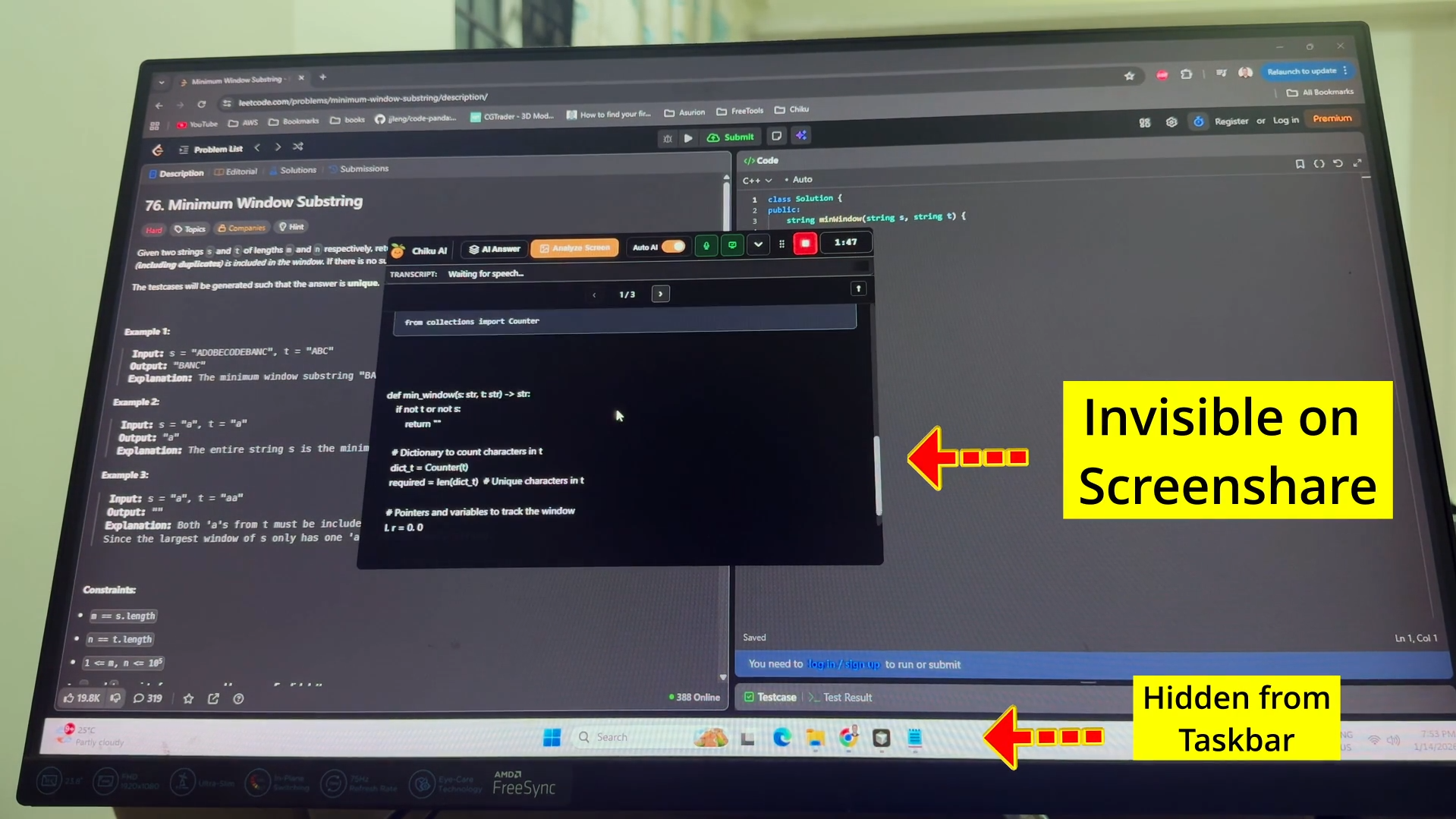
Rehearse answers to common interview questions. Consider doing mock interviews with friends or using a real-time interview assistant like Chiku AI to simulate the experience and receive feedback.
Prepare Your Own Questions
Have a list of questions ready to ask the interviewer. This demonstrates your interest and engagement in the role. For example:
- What does a typical day look like in this role?
- What opportunities are there for professional development?
Check Your Technology
Ensure you have a reliable phone connection and a quiet environment to conduct the interview. Test your phone and ensure your battery is charged.
How to Create a Professional Environment
Your environment during a phone interview can significantly impact your performance. Here’s how to set the stage:
Choose a Quiet Location
Find a space free from distractions, noise, and interruptions. If possible, use a room with a door that you can close for privacy.
Minimize Distractions
Turn off notifications on your phone and computer. Let family members or roommates know you are in an interview to minimize background noise.
Have Necessary Materials Ready
Keep your resume, the job description, and any notes handy. This allows you to reference them easily during the conversation.
Best Practices During the Interview
During the actual phone interview, remember these best practices to maximize your chances of success:
Listen Actively
Pay close attention to the interviewer’s questions. Don’t hesitate to ask for clarification if you don’t understand something.
Speak Clearly and Confidently
Your tone of voice conveys a lot about your confidence. Ensure you articulate your thoughts clearly and maintain a steady pace.
Take Brief Notes
Jot down key points during the interview, especially if the interviewer mentions specific projects or values of the company. This will help you personalize your follow-up.
Follow-up After the Phone Interview
Following up after your interview can set you apart from other candidates. Here’s how to do it effectively:
Send a Thank You Email
Within 24 hours, send a thank-you email to the interviewer. Express your gratitude for the opportunity and reiterate your interest in the position. This can be as simple as:
“Thank you for the opportunity to discuss the [Job Title] position at [Company Name]. I enjoyed our conversation and am excited about the possibility of joining your team.”
Reiterate Your Fit
In your follow-up, briefly mention how your skills align with the position and how you can contribute to the company’s goals.
Conclusion and Final Thoughts
Phone screening interviews are a critical step in the job application process, especially in today’s competitive market. By preparing effectively, creating a professional environment, and following up appropriately, you can significantly enhance your chances of moving forward in the hiring process. Remember to utilize tools like Chiku AI, your AI interview copilot, to practice and refine your interview skills.
Frequently Asked Questions
What is a phone screening interview?
A phone screening interview is typically a preliminary interview conducted over the phone to assess a candidate's qualifications and fit for a job role before inviting them for a face-to-face interview.
How long does a phone screening interview usually last?
Most phone screenings last between 15 to 30 minutes. They are designed to be brief and focused on essential qualifications.
What should I do if I cannot take a phone interview at the scheduled time?
If you cannot attend the interview, contact the interviewer as soon as possible to reschedule. Most employers understand that conflicts can arise.
Can I use notes during a phone interview?
Yes, using notes during a phone interview is perfectly acceptable. Just ensure that you don't read directly from them but rather use them as a reference.
What should I wear for a phone interview?
While the interviewer cannot see you, dressing formally can help boost your confidence. It sets a professional tone for the interview.
Key Takeaways:
- Preparation is key—research the company and practice common questions.
- Creating a distraction-free environment enhances your performance.
- Follow up after the interview to express gratitude and reaffirm your interest.
For more tips on interview preparation, read more interview tips. If you're looking for an affordable interview assistant to help you prepare, Check Chiku AI pricing today. And for those considering alternatives, you can compare with Parakeet AI or compare with Final Round AI.
See Chiku AI in Action
Chiku AI - Realtime Interview Assistant Demo
Ready for Your Next Interview?
In conclusion, preparing for a phone screening interview is crucial for making a strong first impression on potential employers. Key takeaways include researching the company, practicing common interview questions, and ensuring you have a quiet environment for the call. Additionally, remember to showcase your skills and experiences clearly while also displaying enthusiasm for the role. By following these tips, you can confidently navigate the phone screening process and set yourself up for success in subsequent interviews.
To further enhance your interview experience, consider leveraging Chiku AI, a real-time interview assistant designed to help you during live interviews. With features that provide instant feedback and personalized guidance, Chiku AI can significantly boost your confidence and performance. Ready to take your interview skills to the next level? Explore our services and find a plan that suits your needs by visiting our pricing page.