
Prepare for Tech Interview in 1 Week: A Guide
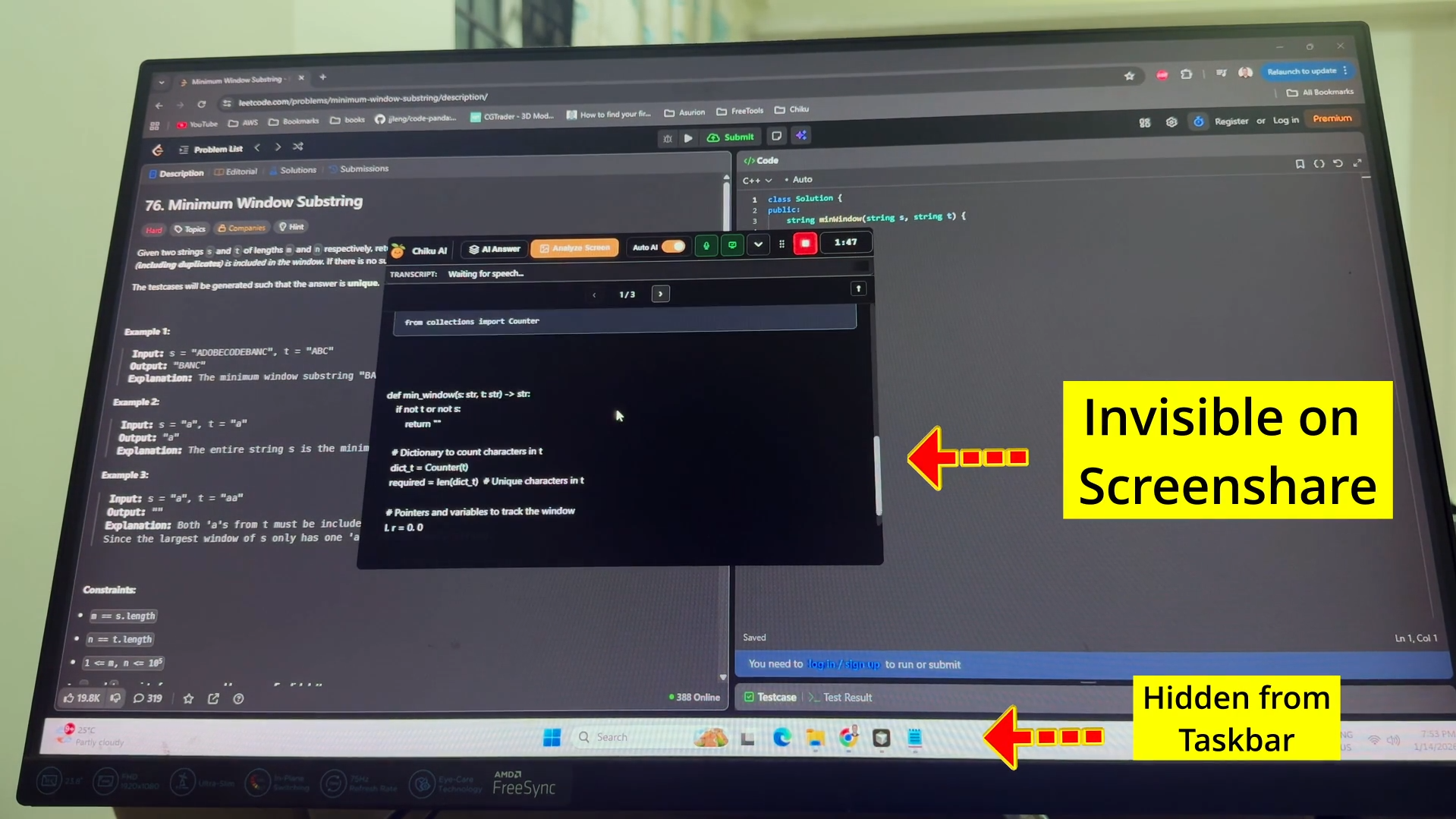
TL;DR: Preparing for a tech interview in just one week is entirely feasible with a structured plan. This guide offers a day-by-day preparation strategy, essential resources, and tips to boost your confidence and skills, ensuring you're ready to impress any interviewer.
Understanding the Technical Interview Landscape
In today's competitive job market, especially in tech, technical interview preparation is crucial. Interviews in companies like TCS, Infosys, Wipro, and startups often include a blend of coding challenges, system design discussions, and behavioral assessments. According to GeeksforGeeks, over 75% of tech interviews focus on coding skills, so mastering algorithms and data structures is essential.
The Role of Coding Challenges
Coding challenges are designed to test your problem-solving abilities and coding skills. You might encounter questions that ask you to implement algorithms, solve puzzles, or debug code snippets. Understanding common data structures (like arrays, linked lists, and trees) and algorithms (like sorting and searching) is vital.
Behavioral Interviews
Behavioral interviews assess your soft skills and cultural fit within the company. Employers want to know how you handle challenges, work in teams, and manage conflicts. Prepare for questions like "Tell me about a time you faced a challenge" or "How do you prioritize your tasks?"
Day-by-Day Preparation Plan
Preparing in just one week requires a focused and structured approach. Here’s a breakdown of what each day could look like:
Day 1: Assess Your Skills
- Take a diagnostic test on platforms like HackerRank or LeetCode.
- Identify your strengths and weaknesses in coding.
- Set specific goals for the week based on your assessment.
Day 2: Data Structures and Algorithms
- Focus on key data structures: arrays, strings, linked lists, stacks, and queues.
- Study common algorithms: sorting (quick, merge), searching (binary search), and recursion.
- Practice coding problems related to these topics on platforms like CodeSignal.
Day 3: System Design Basics
- Understand the fundamentals of system design.
- Learn about scalability, databases, and microservices.
- Review common system design interview questions and frameworks.
Day 4: Mock Interviews
Conduct mock interviews with peers or use tools like Chiku AI. This will help simulate the interview environment and improve your communication skills.
Day 5: Behavioral Questions
- Prepare for common behavioral questions.
- Use the STAR (Situation, Task, Action, Result) method to structure your answers.
- Practice with friends or family.
Day 6: Review and Revise
Spend this day reviewing what you have learned. Focus on areas where you feel less confident. Revisit challenging problems and refine your answers to behavioral questions.
Day 7: Relax and Prepare
Relax, get plenty of sleep, and mentally prepare for your interview. Review your notes and ensure you have a clear understanding of the company and its values.
Essential Coding Platforms and Resources
Utilizing the right resources can significantly enhance your preparation. Here are some top platforms to consider:
| Platform | Features | Pricing |
|---|---|---|
| LeetCode | Comprehensive coding problems, contests, and discussions. | Free, with premium options starting at INR 500/month. |
| HackerRank | Skill certification, coding challenges, and job boards. | Free access with optional paid features. |
| CodeSignal | Real interview simulations and assessments. | Free with paid plans available. |
| GeeksforGeeks | Articles, tutorials, and coding problems across multiple topics. | Free access; premium content available. |
In addition, using an AI interview copilot like Chiku AI can provide real-time assistance, helping you practice coding and behavioral questions effectively.
Mock Interviews: Why and How?
Mock interviews are an essential part of your preparation. They simulate the actual interview environment, which can help reduce anxiety and build confidence.
Benefits of Mock Interviews
- Receive constructive feedback on your performance.
- Practice articulating your thoughts and solutions clearly.
- Identify gaps in your knowledge and areas to improve.
How to Conduct Mock Interviews
- Find a partner or use platforms like Chiku AI.
- Set a timer to mimic real interview conditions.
- Record the session to review your performance later.
- Discuss your answers and seek feedback.
Behavioral Interview Questions and Answers
Behavioral questions are increasingly common in interviews. They help employers gauge your soft skills and how you fit within their team. Here are some sample questions and strategies for answering them:
Common Behavioral Questions
- “Tell me about a time you faced a challenge.”
- “Describe a situation where you had to work as part of a team.”
- “How do you handle tight deadlines?”
Using the STAR Method
When answering behavioral questions, use the STAR method:
- Situation: Describe the context within which you performed a task or faced a challenge.
- Task: Explain your responsibilities or the challenges you faced.
- Action: Describe the specific actions you took to address the situation.
- Result: Share the outcomes of your actions, preferably with quantifiable results.
For example, instead of saying, “I worked well in a team,” you could say, “In my last project at XYZ Company, we faced a tight deadline. I organized daily stand-ups (Situation), coordinated tasks (Task), ensured everyone was heard (Action), and we delivered the project two days early, receiving praise from our client (Result).”
Tips for Staying Calm and Confident
Feeling anxious before an interview is normal. Here are some strategies to help you stay calm:
Preparation is Key
Thorough preparation boosts your confidence. The more you practice, the more comfortable you'll feel during the actual interview.
Mindfulness and Relaxation Techniques
- Practice deep breathing exercises to calm your nerves.
- Engage in mindfulness meditation to improve focus.
- Visualize your success before the interview.
Positive Affirmations
Use positive self-talk to combat negative thoughts. Remind yourself of your skills and preparation. Statements like “I am prepared and capable” can help.
Post-Interview: Follow Up and Learn
After your interview, sending a follow-up email thanking the interviewer is essential. This shows professionalism and gratitude.
What to Include in Your Follow-Up
- Thank the interviewer for their time.
- Reiterate your interest in the position.
- Ask for feedback, which can provide valuable insights for future interviews.
Reflecting on Your Performance
Regardless of the outcome, take time to reflect on your performance. What went well? What could you improve? This self-assessment is vital for continuous growth.
Frequently Asked Questions
1. How long should I prepare for a technical interview?
While the ideal preparation time varies, a focused one-week plan can be effective if you dedicate ample time each day to practice coding, system design, and behavioral questions.
2. What resources can help me prepare for coding interviews?
Platforms like LeetCode, HackerRank, and GeeksforGeeks offer a wide range of coding problems and tutorials to enhance your skills.
3. How important are mock interviews?
Mock interviews are crucial as they simulate real interview conditions, helping you practice under pressure and receive feedback on your performance.
4. What should I do if I get stuck on a coding problem during an interview?
Stay calm, think aloud, and discuss your thought process with the interviewer. They may provide hints or guidance to help you get back on track.
5. How can I improve my confidence before an interview?
Preparation, mindfulness techniques, and positive affirmations can significantly boost your confidence leading up to the interview.
Key Takeaways:
- Customize your preparation with a structured one-week plan.
- Utilize coding platforms and tools like Chiku AI for real-time assistance.
- Prepare for both coding and behavioral questions using the STAR method.
- Practice mock interviews to build confidence and identify areas for improvement.
- Remember to follow up post-interview for a professional touch.
With diligent preparation and the right strategies, you can navigate your technical interview with confidence. For more insights on interview strategies, read more interview tips or Check Chiku AI pricing to see how an affordable interview assistant can enhance your preparation. If you’re considering alternatives, Compare with Parakeet AI or Compare with Final Round AI to find the best fit for your needs.
See Chiku AI in Action
Chiku AI - Realtime Interview Assistant Demo
Ready for Your Next Interview?
In conclusion, preparing for a tech interview in just one week is entirely feasible with the right approach and resources. Key takeaways include understanding the fundamentals of data structures and algorithms, practicing coding challenges, and familiarizing yourself with common interview questions. Additionally, mock interviews can be immensely helpful in building confidence and refining your communication skills. By dedicating focused time each day to these strategies, you can significantly enhance your readiness and improve your chances of success during the interview process.
To further boost your performance, consider leveraging innovative tools like Chiku AI, a real-time interview assistant that provides instant feedback and guidance during live interviews. This smart technology can help you navigate challenging questions and improve your responses in real time, ensuring you make a lasting impression on your interviewers. Ready to take your preparation to the next level? Explore our pricing page to find the perfect plan that suits your needs.