
Cracking Off Campus Placement Interviews in India
TL;DR: Cracking off campus placement interviews in India requires thorough preparation, including understanding the company, perfecting your resume, and practicing common interview questions. Leverage networking and follow-up strategies to maximize your chances of success.
Understanding Off Campus Placements
Off campus placement interviews are an essential pathway for many Indian job seekers, particularly those from colleges and universities that do not have established recruitment ties with corporations. These interviews allow candidates to compete for positions at their desired companies, often leading to roles in various sectors including IT, finance, and engineering.
Unlike on-campus placements, which typically take place within the university premises, off campus placements require proactive efforts from candidates. This involves identifying job openings, networking, and preparing for interviews independently.
According to GeeksforGeeks, more than 50% of job seekers in India find success through off-campus placements, making it a crucial focus area for aspiring professionals.
The Importance of Off Campus Placements
- Wider Opportunities: Candidates can apply to a broader range of companies beyond their college's partnerships.
- Enhanced Skill Development: Preparing for these interviews often requires candidates to improve their skills in various areas.
- Networking Opportunities: Engaging with industry professionals can lead to referrals and recommendations.
Researching the Company and Role
Before attending an interview, it’s imperative to conduct thorough research about the company and the specific role you're applying for. This not only helps you tailor your responses but also demonstrates your interest in the organization.
Here are some strategies to effectively research:
1. Company Overview
Visit the company’s official website to understand its mission, values, and culture. Look for their recent news, achievements, and projects.
2. Job Description
Analyze the job description carefully. Identify the skills and qualifications required, and think about how your experiences align with them.
3. Employee Reviews
Websites like Glassdoor provide insights into employee experiences which can give you a better understanding of the company's work environment and expectations.
According to Glassdoor, candidates who research the company before an interview are 70% more likely to receive a job offer.
Preparing Your Resume and Portfolio
Your resume is often your first point of contact with potential employers; hence, it should be well-structured and tailored to the job you’re applying for. Here are some key points to consider:
1. Tailoring Your Resume
Customize your resume for each position. Highlight experiences and skills that are relevant to the job description.
2. Format and Structure
- Use a clean format with clear headings.
- Keep it concise, ideally one page for new graduates.
3. Showcase Your Projects
If applicable, include a portfolio of your work. This is particularly useful for roles in design, engineering, or software development. Consider using platforms like GitHub for coding projects or Behance for design portfolios.
Common Interview Questions and How to Answer Them
Interviews often include a mix of technical, behavioral, and situational questions. Preparing for these can significantly improve your confidence and performance.
1. Behavioral Questions
Examples include:
- “Tell me about a time you faced a challenge at work.”
- “Describe a situation where you had to work with a team.”
For these questions, use the STAR method (Situation, Task, Action, Result) to structure your answers effectively.
2. Technical Questions
Depending on your field, you may be asked to solve problems or demonstrate skills. For instance, software developers might be asked to code on the spot. Regular practice with platforms like LeetCode or HackerRank can help you prepare.
3. Questions About the Company
Be ready to answer why you want to work for the company. A good response could be, “I admire your commitment to sustainability and innovative technology, and I would love to contribute to such impactful projects.”
“Candidates who can articulate why they want to work at a company perform better in interviews,” says a report by LinkedIn.
Mock Interviews and Feedback
Practicing through mock interviews is an invaluable tool in your preparation arsenal. It not only helps to build confidence but also allows you to refine your answers.
1. Finding a Practice Partner
Connect with peers or mentors who can conduct mock interviews with you. Aim for realistic simulations that mimic the actual interview environment.
2. Utilizing AI Tools
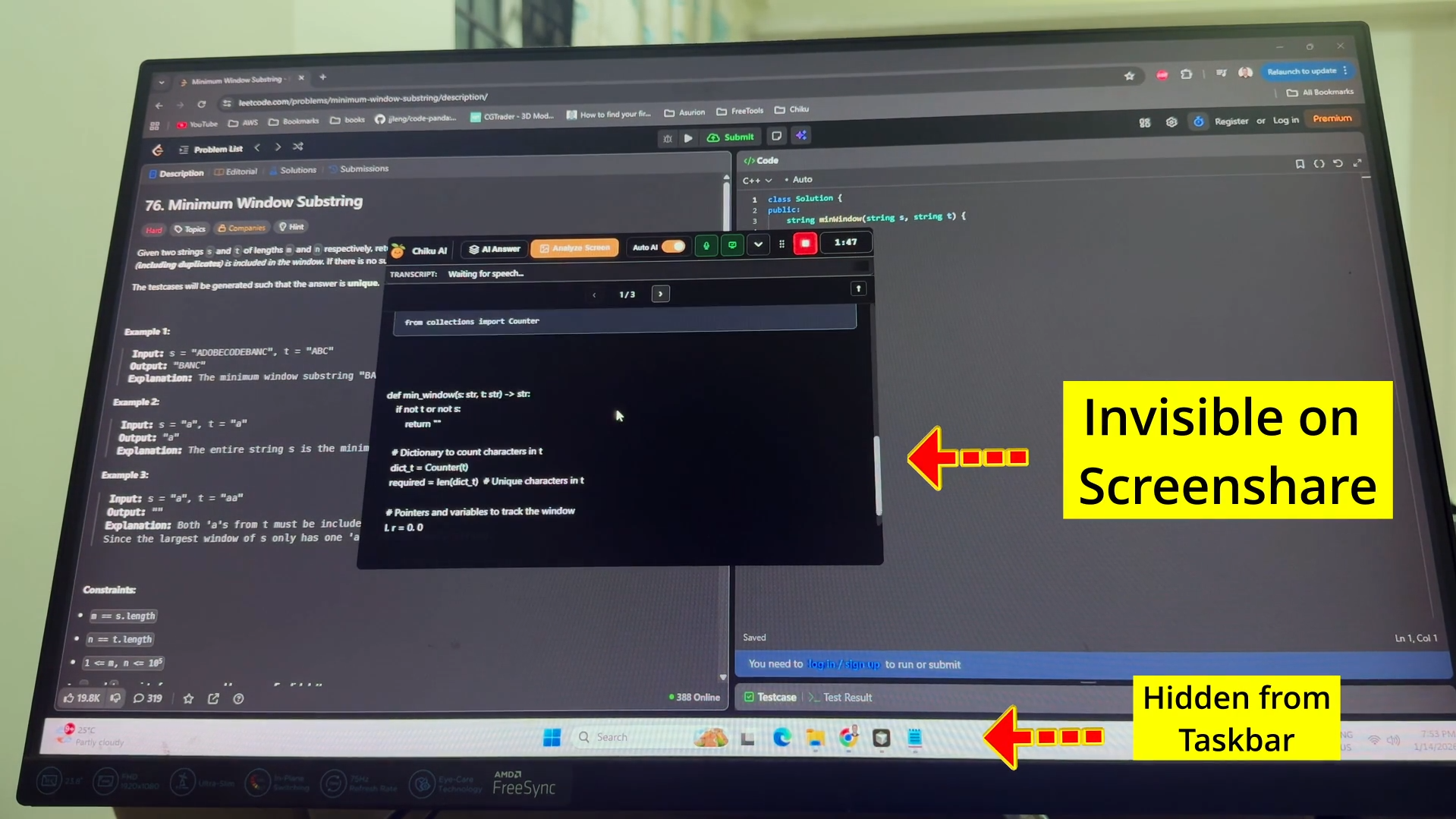
Consider using resources like Chiku AI, your real-time interview assistant, to get instant feedback on your responses and body language.
3. Gathering Feedback
After each mock interview, solicit constructive feedback. Focus on areas like clarity of answers, confidence, and body language.
Post-Interview Follow-Up Strategies
After the interview, it’s crucial to maintain communication with potential employers. A well-crafted follow-up can set you apart from other candidates.
1. Sending a Thank You Email
Within 24 hours, send a thank you email to your interviewer. Express appreciation for the opportunity and reiterate your enthusiasm for the role.
2. Stay Connected
If you haven’t heard back within the time frame provided, it’s okay to send a polite follow-up email inquiring about the status of your application.
3. Networking for Future Opportunities
Keep in touch with your interviewer or the HR person. Building a relationship might lead to future opportunities even if you don’t get the job right away.
Leveraging Networking for Opportunities
Networking is one of the most effective strategies for finding job opportunities, particularly in a competitive market like India.
1. Attend Networking Events
Participate in workshops, seminars, and industry conferences to meet professionals in your field. Engaging in conversations can lead to referrals.
2. Use Social Media
Platforms like LinkedIn are essential for professional networking. Connect with alumni, recruiters, and industry leaders. Regularly engage with their content to stay visible.
3. Informational Interviews
Request informational interviews with professionals in your desired field. This not only provides insights but can also lead to job openings.
Frequently Asked Questions
What are off campus placements?
Off campus placements refer to recruitment drives conducted outside of college campuses where students can apply for jobs directly with companies.
How can I prepare for off campus placement interviews?
Preparation involves researching the company, practicing common interview questions, and tailoring your resume to fit the job description.
What are some common interview questions?
Common questions include behavioral queries like "Tell me about yourself," technical questions related to your field, and questions about your motivation for wanting to join the company.
How important is networking for job placements?
Networking is vital as it can open doors to job opportunities that aren’t publicly advertised and can lead to referrals.
How can AI tools help in interview preparation?
AI tools like Chiku AI provide real-time feedback during mock interviews, helping candidates improve their responses and overall performance.
Key Takeaways:
- Understand the off campus placement process to navigate it effectively.
- Thoroughly research the company and role before interviews.
- Tailor your resume and prepare for common interview questions.
- Engage in mock interviews and solicit feedback for improvement.
- Follow up post-interview to leave a lasting impression.
- Utilize networking to uncover job opportunities.
For more insights and tips on interview preparation, make sure to Read more interview tips or check out our affordable interview assistant. To explore alternatives, feel free to Compare with Parakeet AI or Compare with Final Round AI.
See Chiku AI in Action
Chiku AI - Realtime Interview Assistant Demo
Ready for Your Next Interview?
In conclusion, cracking off-campus placement interviews in India requires a strategic approach that combines thorough research, effective communication skills, and a strong understanding of the job market. Candidates must focus on building a compelling resume, practicing common interview questions, and developing a personal brand that showcases their skills and experiences. Networking and leveraging social media platforms can also significantly enhance a candidate's visibility and opportunities in today's competitive landscape. By following these key takeaways, aspiring professionals can increase their chances of landing their dream job.
To further enhance your interview preparation, consider utilizing Chiku AI, a real-time interview assistant that provides valuable feedback and insights during live interviews. This innovative tool helps you refine your responses and boosts your confidence, ensuring you make a strong impression on potential employers. Ready to take your interview skills to the next level? Explore our affordable plans on our pricing page and start your journey towards success today!