
Mastering Stress Interview Questions: Tips & Techniques
TL;DR: Stress interview questions are designed to assess how candidates handle pressure. This guide provides techniques, examples, and tips that can help you prepare effectively for such interviews, enabling you to stay calm and confident during the process.
Understanding Stress Interview Questions
Stress interview questions are designed to evaluate how candidates respond to challenging scenarios, often involving high pressure or unexpected situations. These questions can be disorienting, but they serve a purpose: to gauge your resilience, problem-solving skills, and ability to maintain composure under stress.
In the Indian job market, particularly in sectors like IT, finance, and consulting, employers seek candidates who can manage stress effectively. The ability to think clearly and act decisively in tough situations can set you apart from other applicants.
Understanding the nature of stress interview questions can help you prepare adequately. These questions often focus on your reactions to difficult situations, your past experiences, and your problem-solving capabilities. The aim is not just to see if you can answer correctly, but to assess your emotional intelligence and adaptability.
Why Do Employers Ask Stress Interview Questions?
Employers use stress interview questions for several reasons:
- Identify Resilience: They want to see how you cope with difficult situations and whether you can bounce back from setbacks.
- Evaluate Critical Thinking: Stressful scenarios can reveal how well you can think on your feet and come up with solutions.
- Test Communication Skills: Your ability to articulate your thoughts under pressure is crucial for many roles.
- Gauge Cultural Fit: Some companies thrive in fast-paced environments and need employees who can adapt quickly.
Common Examples of Stress Interview Questions
To prepare for stress interviews, it's essential to familiarize yourself with common stress interview questions. Here are some examples:
- “Describe a time when you had to work under intense pressure. How did you handle it?”
- “What would you do if you were assigned a project with a tight deadline?”
- “How do you prioritize tasks when everything seems urgent?”
- “Tell me about a time you failed. What did you learn from it?”
- “Why should we hire you instead of someone with more experience?”
When preparing your responses, remember that the goal is to showcase your ability to handle stress positively. Instead of saying, “I get overwhelmed,” try framing your answer to reflect how you tackle challenges head-on. For example, “When faced with tight deadlines, I prioritize my tasks and communicate with my team to ensure everyone is aligned.”
Why Employers Use Stress Interviews
Employers implement stress interviews for various strategic reasons, aiming to find candidates who can thrive in challenging environments. According to Glassdoor, many companies believe that high-pressure situations can reveal a candidate's true character and professional capabilities.
Here are some of the primary reasons:
- Real-World Simulations: Stress interviews mimic real-life job pressures, particularly in industries where deadlines and expectations are high.
- Uncover Hidden Qualities: Candidates often reveal their true strengths and weaknesses when under pressure, allowing employers to make informed hiring decisions.
- Filter Candidates: Stress interviews help employers weed out candidates who may not be suitable for high-stakes roles.
Techniques to Manage Stress During Interviews
Managing stress during interviews is crucial for performing at your best. Here are some effective techniques to help you stay calm:
1. Preparation is Key
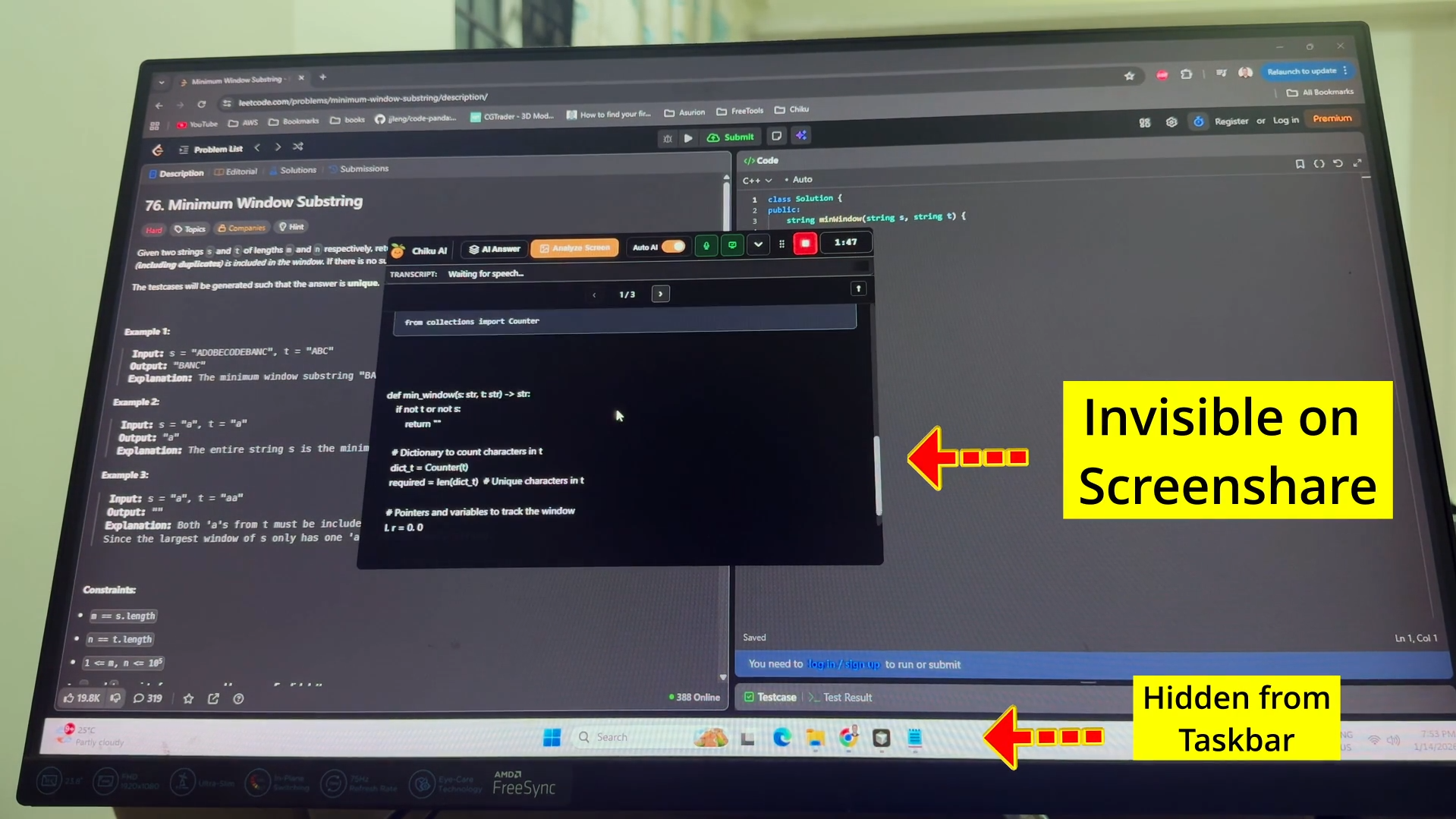
Thorough preparation can alleviate much of the anxiety associated with interviews. Familiarize yourself with common stress interview questions and practice your responses. Consider using tools like AI interview copilot to simulate real interview scenarios and receive instant feedback.
2. Practice Mindfulness
Mindfulness techniques, such as deep breathing and visualization, can help center your thoughts. Before the interview, practice deep breathing exercises to calm your mind. Visualizing a successful interview can boost your confidence significantly.
3. Maintain a Positive Mindset
Your mindset can dramatically affect your performance. Instead of viewing the interview as a threat, see it as an opportunity to showcase your skills. Adopting a positive attitude can improve your overall demeanor.
4. Use the STAR Method
The STAR method (Situation, Task, Action, Result) is a structured approach to answering behavioral questions. This method can help you articulate your experiences clearly and confidently, even under stress.
5. Engage in Mock Interviews
Conducting mock interviews with friends, family, or professional services can help simulate the pressure of a real interview. This practice can help you identify areas for improvement and build your confidence.
Practicing Responses to Stress Questions
Practicing your responses to stress interview questions is vital for building confidence. Here are some effective strategies:
1. Record Yourself
Recording your practice sessions can provide insights into your body language, tone, and pacing. Analyze your recordings to identify areas where you can improve.
2. Get Feedback
Seek feedback from trusted friends or mentors. They can provide valuable insights into how you come across and suggest ways to enhance your responses.
3. Create a Response Bank
Develop a bank of responses for common stress questions. This preparation allows you to draw from various experiences and articulate your thoughts more effectively during the actual interview.
Real-life Scenarios and Role Play
Engaging in role play can be an effective way to prepare for stress interviews. Here’s how you can utilize this strategy:
1. Partner with a Friend
Ask a friend or mentor to conduct a mock interview with you. Provide them with a list of stress interview questions to ask. This can help you practice articulating your thoughts under pressure.
2. Simulate Realistic Scenarios
During the role play, create realistic scenarios that mimic the challenges you might face in the job. This could include tight deadlines, difficult team dynamics, or unexpected changes in project scope.
3. Reflect and Improve
After each role play session, reflect on your performance. Identify what went well and what areas need improvement. This reflective practice can be invaluable in enhancing your interview skills.
Frequently Asked Questions
What are stress interview questions?
Stress interview questions are designed to evaluate how candidates respond to high-pressure situations. They aim to assess resilience, problem-solving skills, and emotional intelligence.
How can I prepare for a stress interview?
To prepare for a stress interview, familiarize yourself with common stress questions, practice your responses, engage in mock interviews, and use techniques like mindfulness to manage anxiety.
Why do employers use stress interviews?
Employers use stress interviews to identify candidates who can handle pressure, evaluate critical thinking, test communication skills, and gauge cultural fit in fast-paced work environments.
What techniques can I use to manage stress during an interview?
Effective techniques include thorough preparation, practicing mindfulness, maintaining a positive mindset, using the STAR method, and engaging in mock interviews.
Can Chiku AI help with interview preparation?
Yes, Chiku AI is an affordable interview assistant that can help you simulate real interview scenarios, receive instant feedback, and improve your confidence.
Conclusion: Staying Calm and Confident
Mastering stress interview questions is a skill that can significantly enhance your job interview performance. By understanding the nature of these questions, practicing your responses, and employing effective techniques to manage stress, you can approach your interviews with confidence. Remember, it’s not just about answering questions correctly but demonstrating your ability to remain composed and resourceful under pressure.
As you prepare for your next interview, consider utilizing tools like Chiku AI to refine your skills and boost your confidence. Good luck!
Key Takeaways:
- Stress interview questions assess how candidates handle pressure and adversity.
- Preparation and practice are essential for managing stress effectively during interviews.
- Techniques such as mindfulness and the STAR method can enhance your performance.
- Engaging in mock interviews and role play can provide valuable experience.
- Chiku AI can be a helpful resource for real-time interview assistance.
For more tips on interview preparation, read more interview tips and compare with other tools like Parakeet AI and Final Round AI. If you’re looking for an affordable interview assistant, check Chiku AI pricing today!
See Chiku AI in Action
Chiku AI - Realtime Interview Assistant Demo
Ready for Your Next Interview?
In conclusion, mastering stress interview questions is essential for anyone looking to excel in high-pressure job interviews. By understanding the types of questions that are commonly asked, preparing thoughtful responses, and practicing stress management techniques, you can significantly improve your performance. Remember to stay calm, maintain a positive attitude, and view challenging questions as opportunities to showcase your resilience and problem-solving skills. With the right preparation, you can turn these intimidating situations into platforms for demonstrating your capability and suitability for the role.
To further enhance your interview readiness, consider leveraging tools like Chiku AI, a real-time interview assistant designed to help you navigate live interviews with confidence. By providing instant feedback and tailored tips during your interview, Chiku AI can help you tackle stress questions more effectively. If you're interested in learning more about how Chiku AI can assist you in your interview journey, visit our pricing page today!