
Post-Interview Follow-Up Email Template
TL;DR: Following up after an interview is crucial for reinforcing your interest in the position and making a positive impression. This post provides a comprehensive guide on crafting effective post-interview emails, including a customizable template and tips to enhance your follow-up strategy.
Importance of Following Up After an Interview
In today’s competitive job market, particularly in India, where companies are inundated with applications, a strong follow-up can set you apart from other candidates. A well-crafted follow-up email demonstrates your enthusiasm for the position and your professionalism. According to Glassdoor, candidates who follow up after an interview are 70% more likely to be remembered by the hiring manager.
Moreover, the post-interview follow-up serves as an opportunity to:
- Reiterate your interest: It’s a chance to remind the interviewer of your passion for the role and the company.
- Address any concerns: If there were any questions you felt you stumbled on during the interview, this is your opportunity to clarify your thoughts.
- Showcase your communication skills: A thoughtful follow-up email reflects your ability to communicate effectively, a vital skill in any job.
In the Indian context, where companies value cultural fit and communication, a follow-up can significantly impact the hiring decision. You want the interviewer to remember you positively, and a follow-up email can be the nudge they need to keep you in mind.
When to Send Your Follow-Up Email
The timing of your follow-up email can influence its effectiveness. Here’s a guideline to help you decide when to hit send:
- 24 to 48 hours after the interview: This is the ideal window. It shows your promptness and eagerness.
- After receiving feedback: If the interviewer mentioned they would contact you with feedback, wait until you receive that before sending a follow-up.
- During the weekend: Avoid sending your email on weekends or late at night. Aim for weekday mornings, which can increase the chances of your email being seen first.
In an Indian context, remember that many companies have a structured HR follow-up protocol. If they indicate a timeline for feedback, adhere to that timeline while crafting your follow-up email.
What to Include in Your Follow-Up Email
Crafting a follow-up email involves more than just saying "thank you." Here are essential components to include:
1. Subject Line
Your subject line should be clear and concise. For example:
- "Thank You for the Opportunity"
- "Following Up on My Interview for [Position Title]"
2. Greeting
Use a formal greeting. If you interviewed with multiple people, address each one appropriately. For instance:
“Dear [Interviewer's Name],”
3. Express Gratitude
Start your email by thanking the interviewer for their time and the opportunity to interview. Mention something specific from the interview to personalize your message.
4. Reiterate Your Interest
Clearly express your enthusiasm for the role. For example:
“I am very excited about the opportunity to join [Company Name] as a [Position Title] and contribute to [specific project or goal discussed in the interview].”
5. Address Any Concerns
If there were any questions during the interview that you felt you could have answered better, briefly address them here.
6. Call to Action
Politely ask if there are any updates regarding the hiring process or when you might expect to hear back.
7. Closing
End with a professional closing statement such as:
“Thank you once again for the opportunity. I look forward to hearing from you soon.”
8. Signature
Include your full name, LinkedIn profile link, and contact information.
Post-Interview Email Template
Here’s a customizable template you can use for your follow-up email:
Subject: Thank You for the Opportunity

Dear [Interviewer's Name],

I hope this message finds you well. I wanted to take a moment to express my gratitude for the opportunity to interview for the [Position Title] position at [Company Name]. I truly enjoyed our conversation and learning more about the innovative work your team is doing.

I am very excited about the possibility of joining [Company Name] and contributing to [specific project or goal discussed in the interview]. I believe my skills in [mention relevant skills] align perfectly with your team’s needs.

If there are any further questions or if you need additional information from my side, please feel free to reach out. I look forward to any updates you can provide regarding the hiring process.

Thank you once again for your time and consideration.

Best regards,

[Your Name]
[Your LinkedIn Profile]
[Your Contact Information]
Common Mistakes to Avoid
Avoiding common pitfalls can enhance the effectiveness of your follow-up email. Here are some mistakes to watch out for:
- Being too generic: Personalize your message. A generic email can come across as insincere.
- Overly long emails: Keep it concise and to the point. Busy hiring managers appreciate brevity.
- Neglecting proofreading: Spelling and grammatical errors can undermine your professionalism. Always double-check your email.
- Asking for updates too soon: Be patient. If the interviewer mentioned a timeline, respect it.
Additional Follow-Up Strategies
While a follow-up email is essential, there are other strategies you can employ:
1. Connect on LinkedIn
After your interview, consider sending a connection request to your interviewer on LinkedIn. Include a personal note referencing your discussion. This keeps you on their radar.
2. Send a Thank You Card
If you’re interviewing for a high-stakes position, consider sending a handwritten thank you card. This old-school approach can make a memorable impression.
3. Utilize a Realtime Interview Assistant
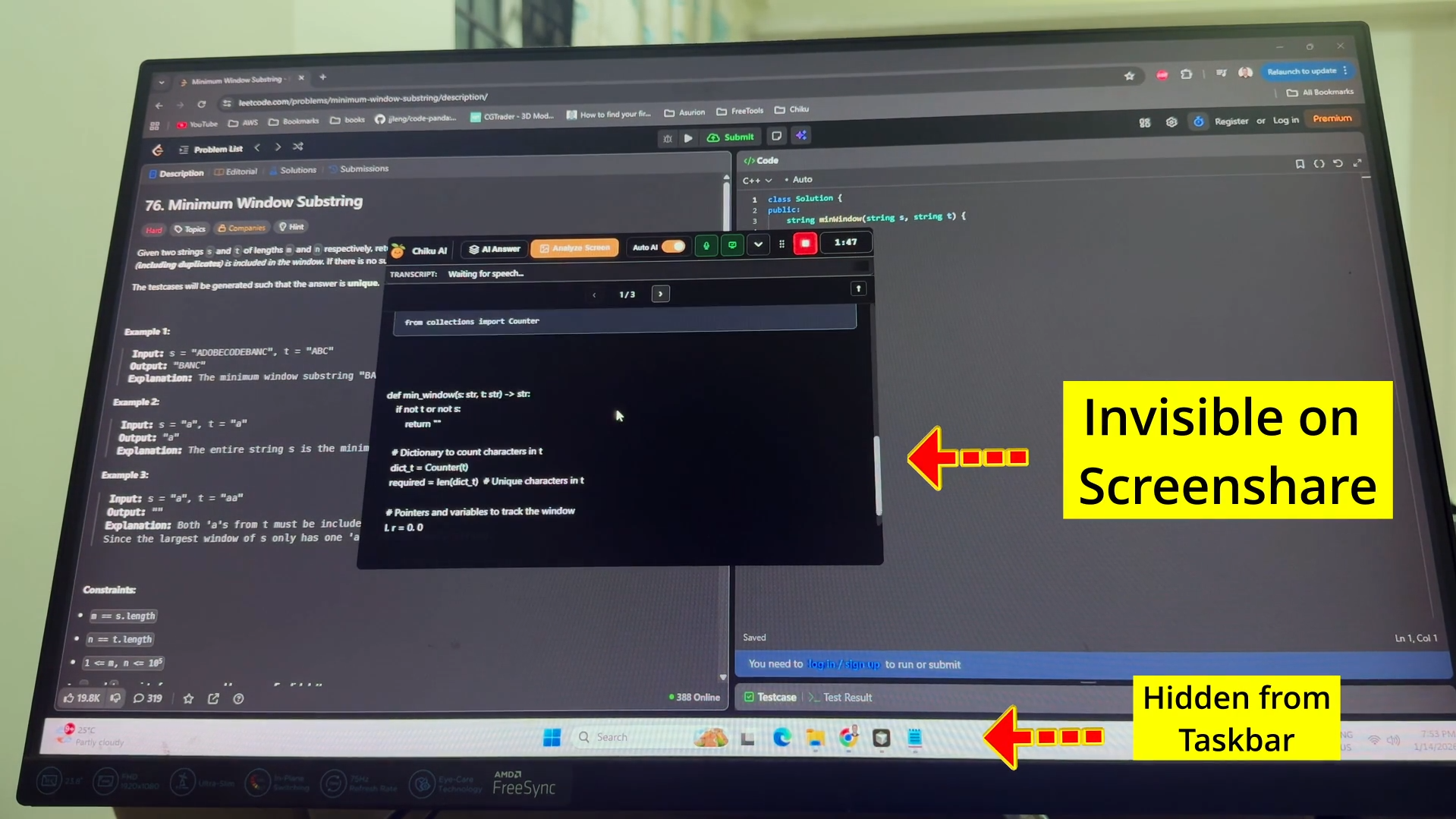
Consider using tools like Chiku AI, your AI interview copilot, to simulate follow-up scenarios and practice your email writing skills.
Frequently Asked Questions
What should I do if I haven’t heard back after my follow-up email?
If you haven’t received a response after your follow-up email, it’s acceptable to wait a week or two before sending another polite inquiry.
How long should my follow-up email be?
Your follow-up email should ideally be between 100 to 200 words—long enough to convey your message but concise enough to respect the recipient's time.
Is it necessary to follow up after every interview?
Yes, it’s a best practice to follow up after every interview. It shows professionalism and reinforces your interest in the role.
What if I feel I didn’t perform well in the interview?
In your follow-up, focus on your enthusiasm for the role and address any specific concerns you felt during the interview. This can help mitigate any negative impressions.
Can I follow up with multiple interviewers?
Yes, if you interviewed with multiple people, it’s appropriate to send individual follow-up emails to each interviewer, personalizing each message accordingly.
Key Takeaways:
- Follow up after an interview to reinforce your interest and professionalism.
- Send your follow-up email within 24-48 hours for maximum impact.
- Use a clear structure in your email, including gratitude, reiteration of interest, and a call to action.
- Avoid common mistakes like being generic or overly lengthy in your communication.
- Consider additional strategies like connecting on LinkedIn or using tools like affordable interview assistant for practice.
Conclusion: Stand Out with Your Follow-Up
In conclusion, following up after an interview is not just a courtesy; it’s a strategic move that can significantly enhance your chances of getting hired. By crafting a thoughtful follow-up email, you can leave a lasting impression on the hiring team. Remember, the job search process can be competitive, and every interaction counts. Utilize tools like Chiku AI to refine your approach and ensure your follow-up is as impactful as possible.
For more insights and resources, read more interview tips or compare with Parakeet AI and Final Round AI. For those looking for a structured approach, Check Chiku AI pricing to find an affordable interview assistant that can help you prepare.
See Chiku AI in Action
Chiku AI - Realtime Interview Assistant Demo
Ready for Your Next Interview?
In conclusion, a well-crafted post-interview follow-up email is a crucial step in the job application process that can significantly enhance your candidacy. By expressing gratitude, reiterating your interest in the position, and highlighting key points from the interview, you can leave a lasting impression on your potential employer. Remember to keep your email concise and professional while ensuring it reflects your genuine enthusiasm for the role. This simple yet effective communication can set you apart from other candidates and may even influence the final hiring decision in your favor.
In addition to sending thoughtful follow-up emails, leveraging tools like Chiku AI can further enhance your interview performance. As a real-time interview assistant, Chiku AI provides valuable insights and feedback during live interviews, helping you to articulate your thoughts more clearly and confidently. To explore how Chiku AI can transform your interview experience, check out our pricing page for more information.